
5G Northbound APIs & MTC: Bridging the Gap Between Connectivity and Intelligence
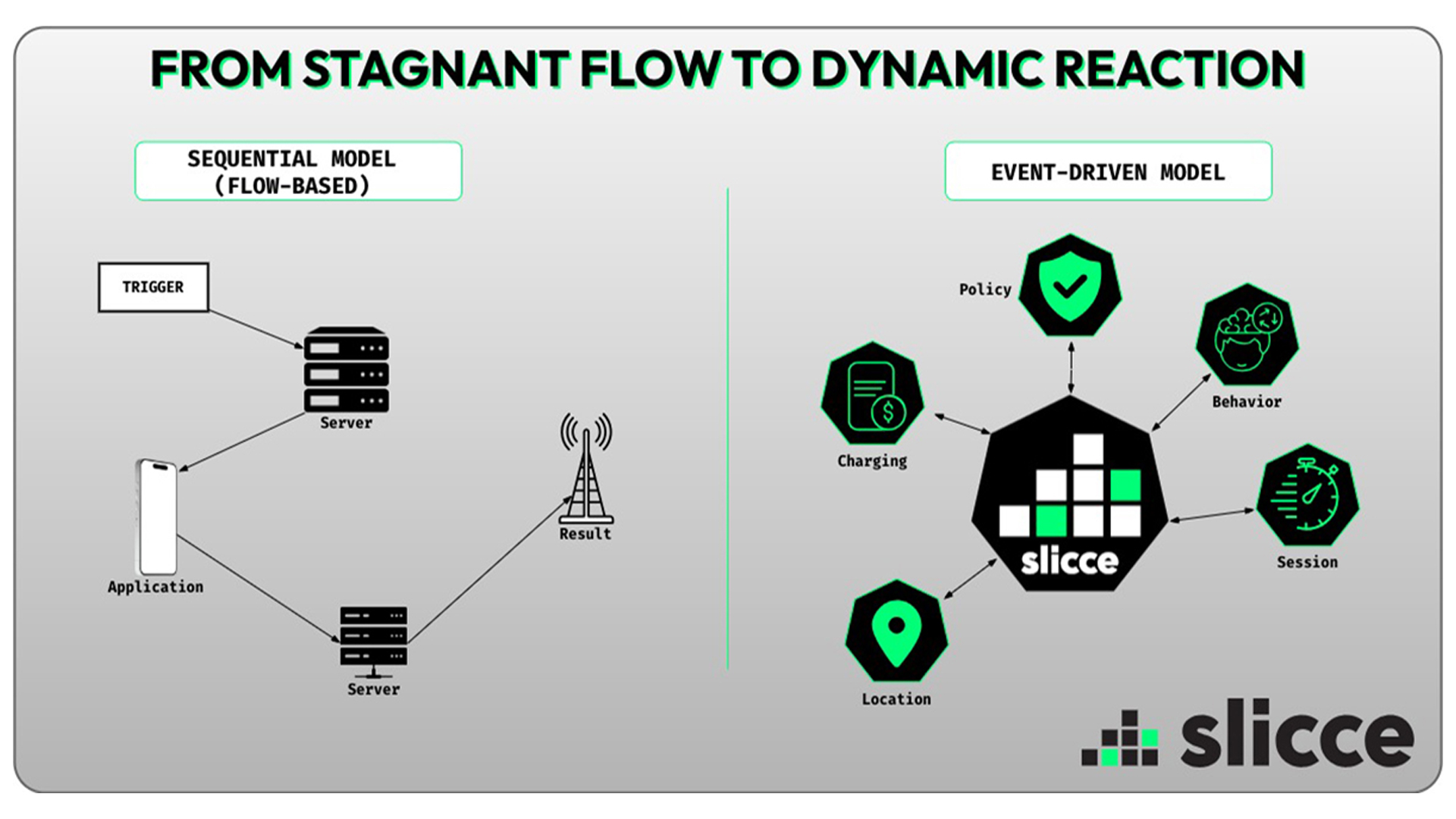
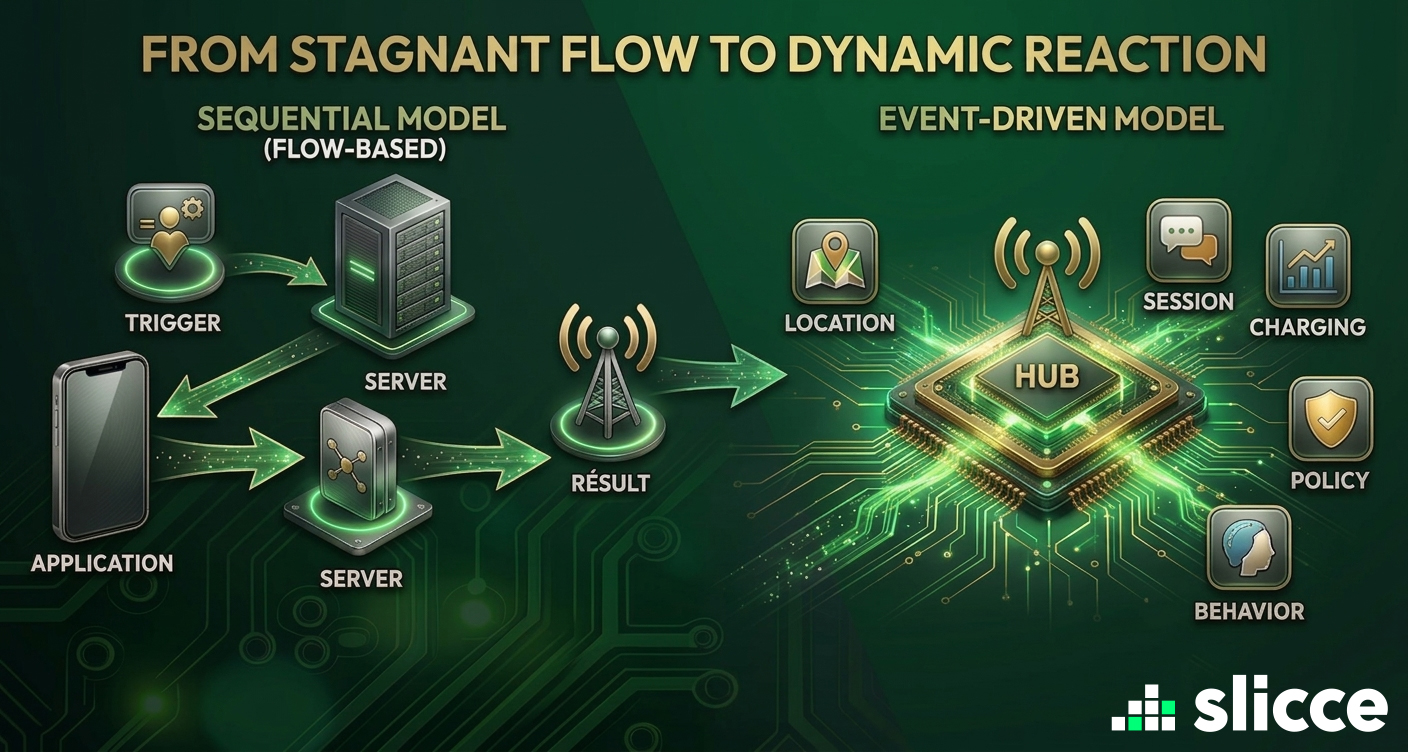
The telecommunications landscape is undergoing a silent but radical shift. While the public focus remains on 5G speeds for consumer smartphones, the real revolution is happening "under the hood" through Machine Type Communications (MTC) and the opening of network capabilities via Northbound APIs. We are moving from a world where operators sell static "pipes" to a world where they sell "programmable platforms."
We are moving from a world where operators sell static "pipes" to a world where they sell "programmable platforms."
The Rise of Machine Type Communications
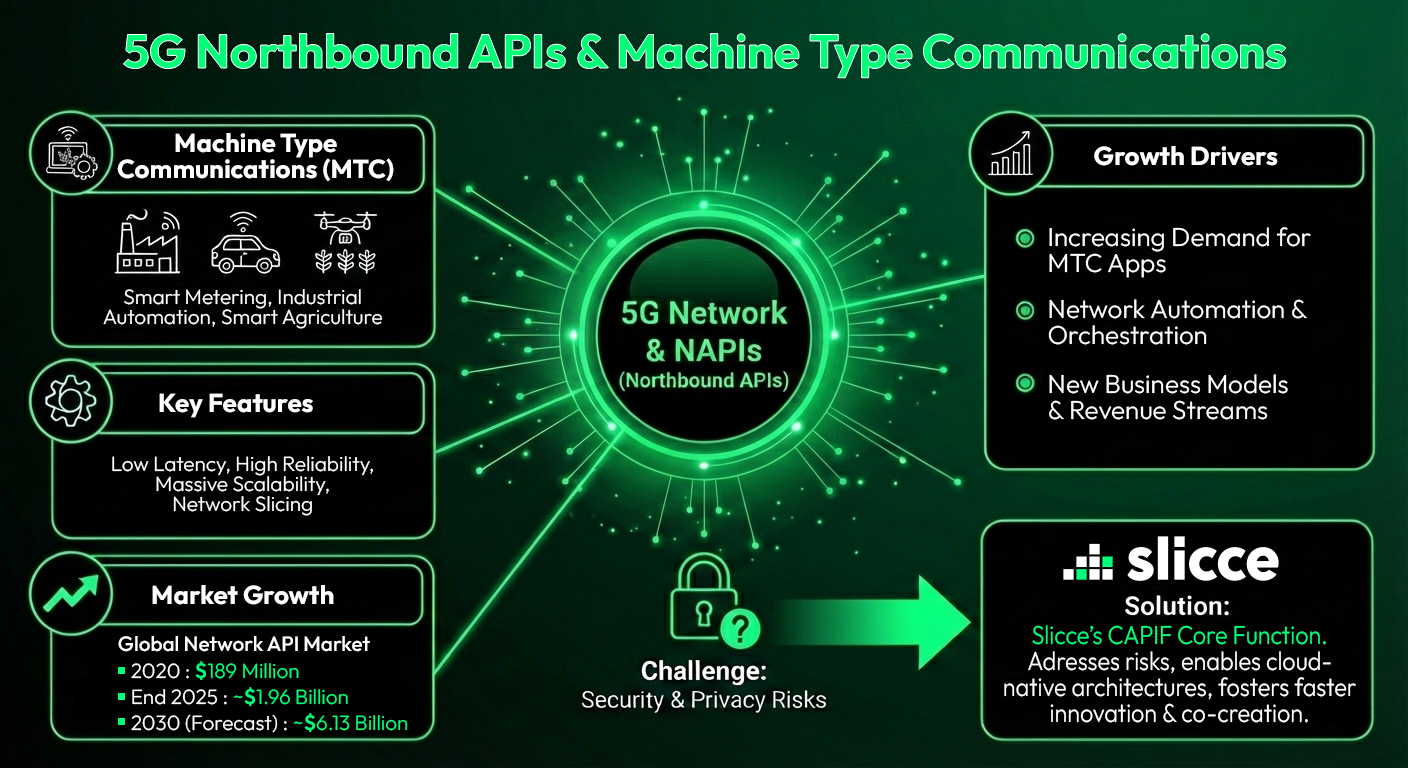
5G is not only about faster and more reliable connectivity for mobile devices. It also enables new applications and services that require unprecedented low latency, high reliability, and massive scalability. Machine Type Communication (MTC) is the central concept, defining the communication between machines or devices without human intervention.
We are seeing MTC move from simple sensor reporting to "Critical MTC," with use cases that now include:
- Smart Metering: Massive numbers of devices reporting efficiently.
- Industrial Automation: Ultra-reliable low-latency synchronization.
- Smart Agriculture: Real-time data processing from widespread sensor networks.
NAPIs: The Translators of the 5G Era
To realize the full potential of these MTC applications, there is a need for a standardized and interoperable interface between the complex network core and the application world. This interface is the Northbound Application Programming Interface (NAPI). It differentiates 5G from previous generations by acting as a dynamic "translator," allowing high-level applications to access network resources and capabilities in a flexible and efficient way.
This NAPI access is what activates the network's truly transformative features:
- Network Slicing: The ability to create multiple virtual networks with different characteristics (latency, bandwidth, reliability) on top of a common physical infrastructure.
- Massive Scalability & High Reliability: Meeting the specific, stringent demands of critical industrial processes.
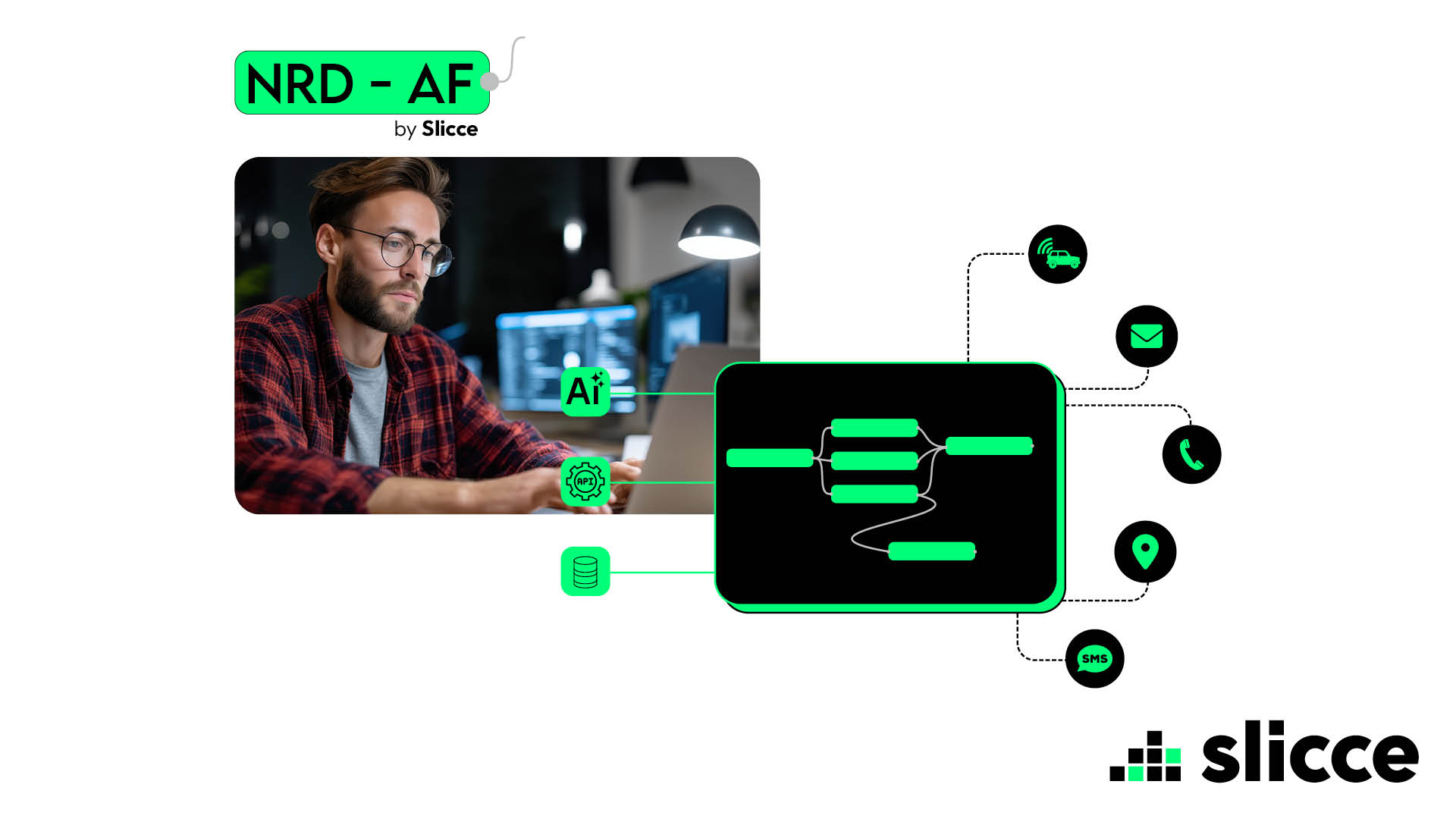
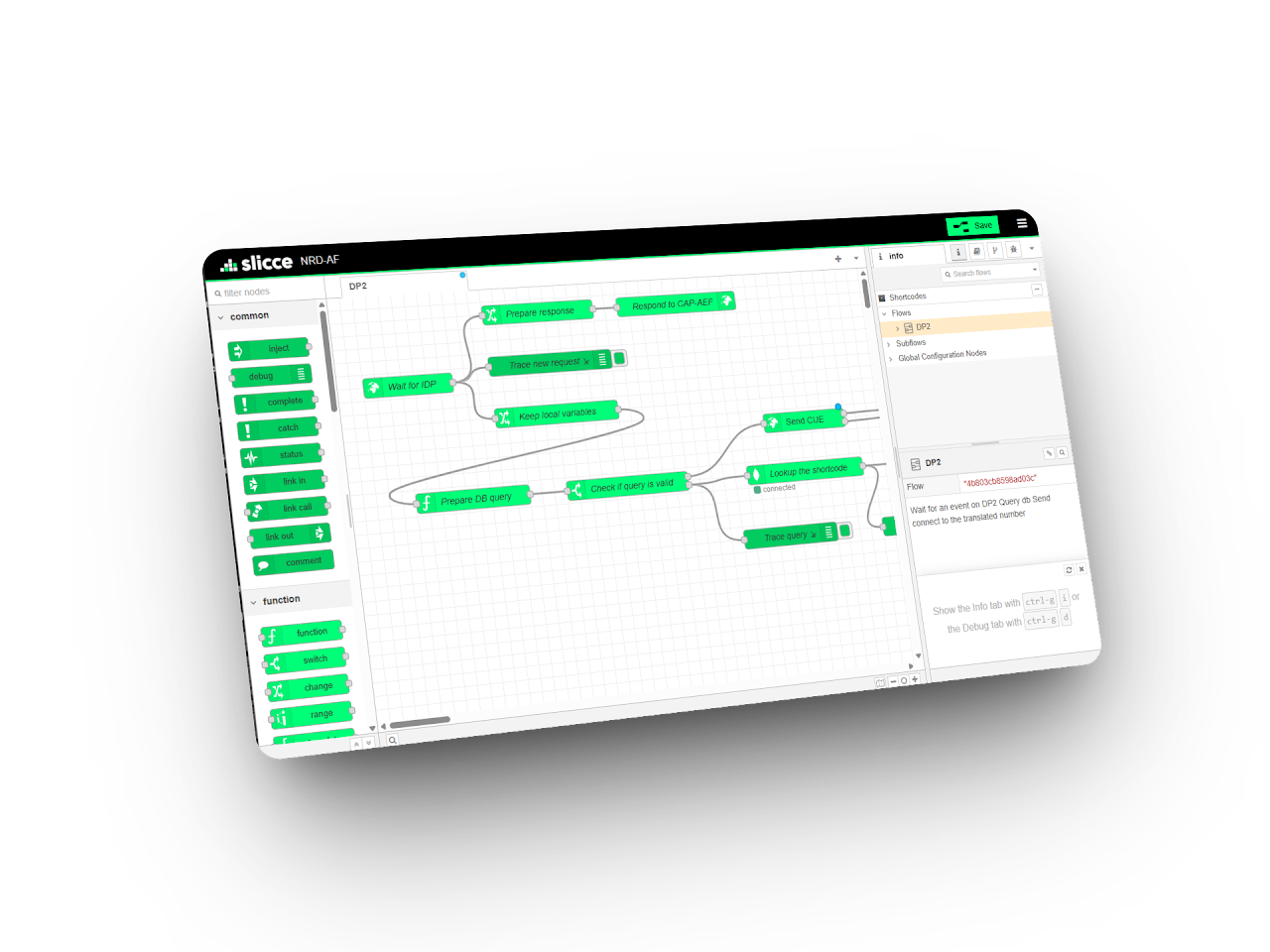
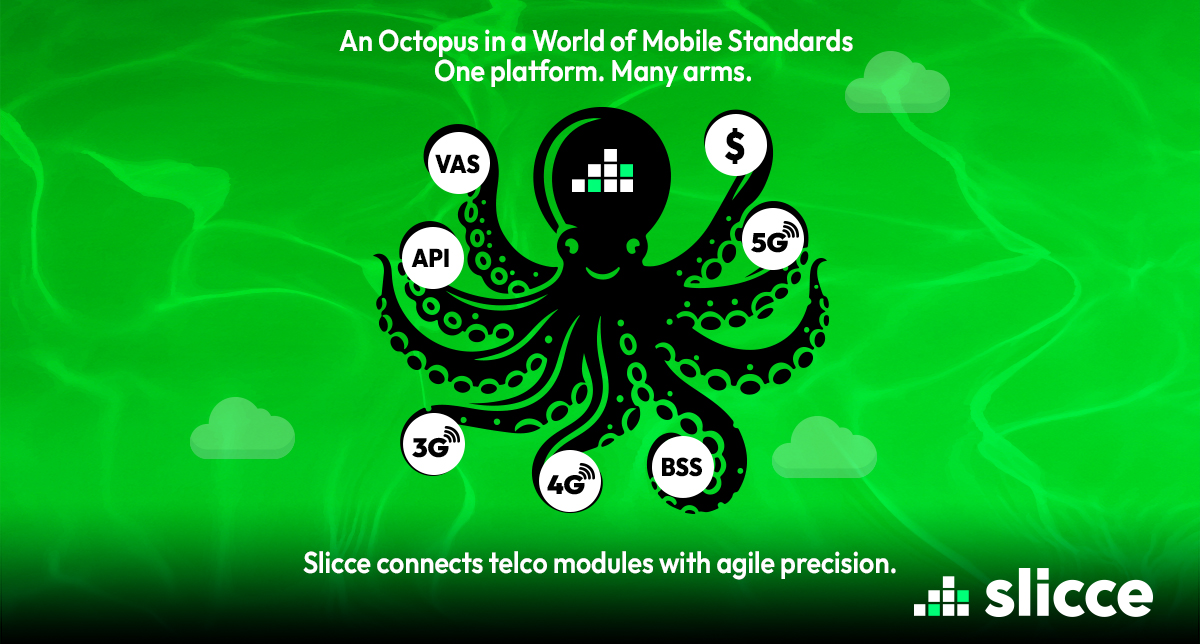
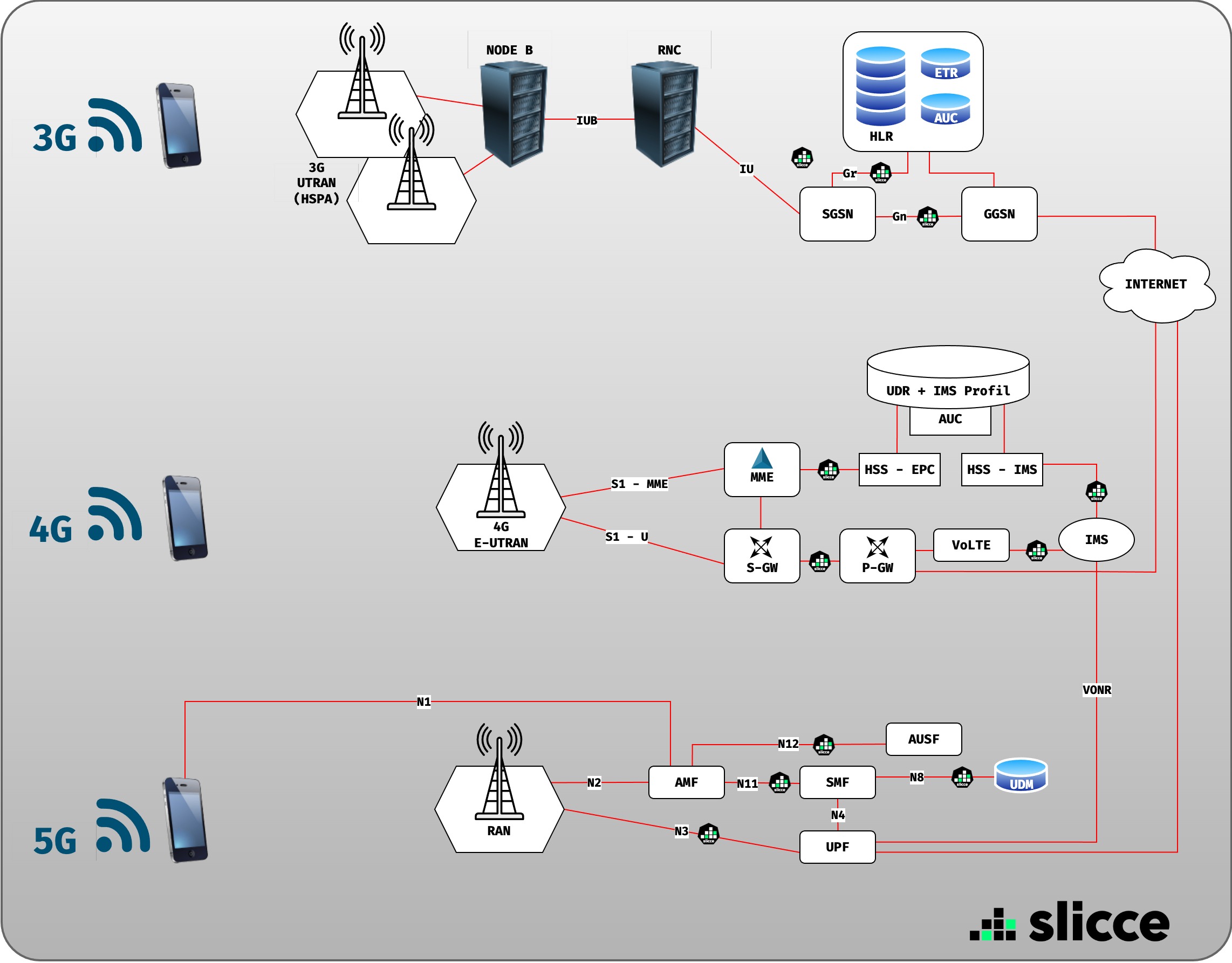
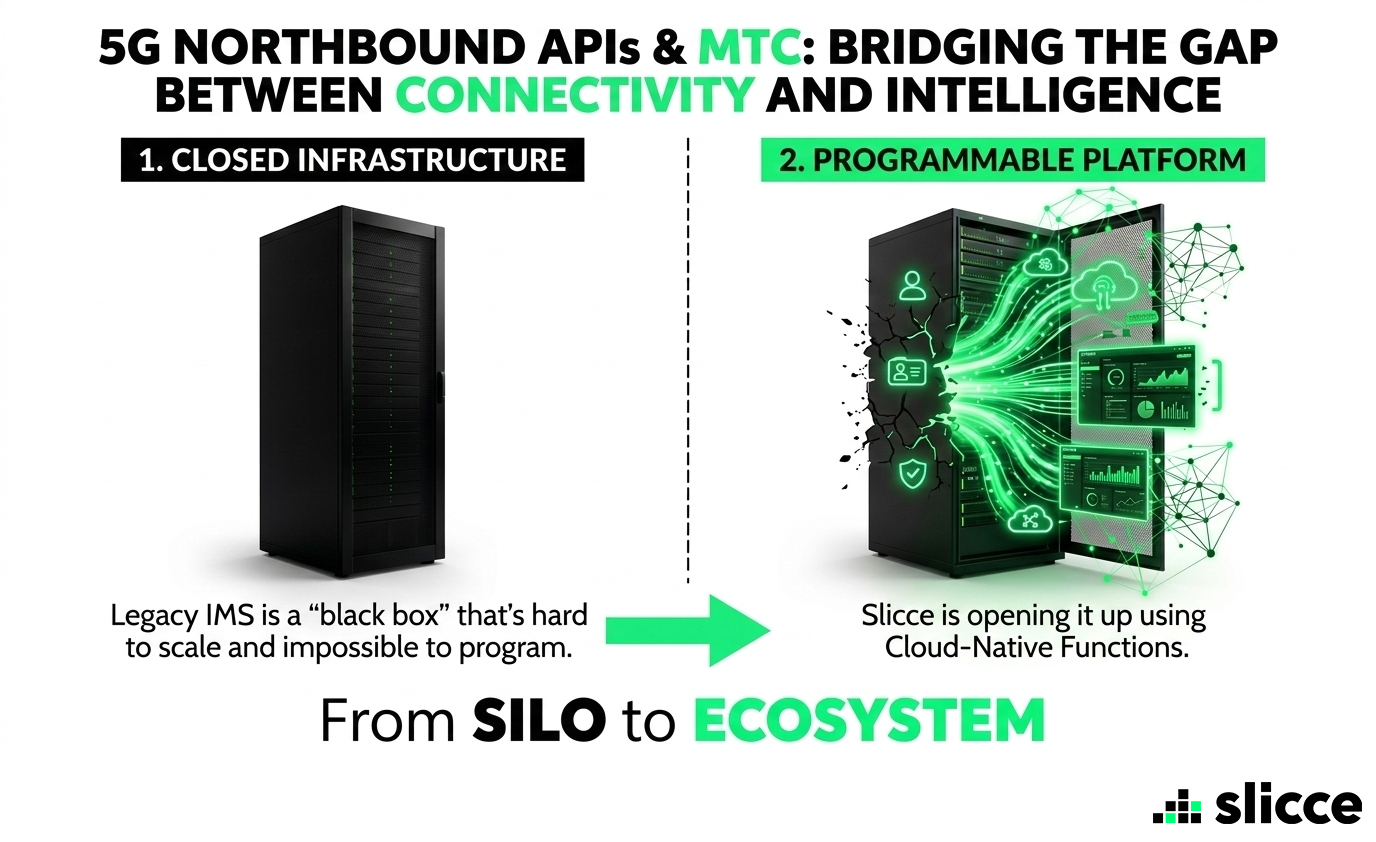
Beyond the numbers, the true transformation is architectural. 5G, powered by Slicce, deconstructs traditional silos to transform them into an open, modular, and programmable platform.
A Growing Market Opportunity
The numbers confirm the strategic importance of this development. According to recent industry data, the global market for Network APIs has grown from a modest USD 189 million in 2020 to approximately USD 1.96 billion by the end of 2025. This trajectory is expected to continue sharply, reaching an estimated USD 6.13 billion by 2030, representing a compound annual growth rate (CAGR) of 25.7%.
This vertical climb is built on three fundamental growth drivers:
- The increasing demand for MTC applications across manufacturing, energy, transportation, healthcare, and agriculture.
- The need for network automation and orchestration, essential to simplify complex network management and reduce operational costs.
- The emergence of new business models, allowing operators to offer value-added services and customized solutions instead of simple connectivity.
Solving the Exposure Paradox with Slicce
However, this transition introduces a critical paradox: Exposure vs. Security. Opening the network core to third-party developers is a double-edged sword. Security and privacy risks are the biggest barriers when exposing network data and capabilities. Every new API endpoint is a potential entry point for a cyberattack or network signaling plane overload.
This is exactly where Slicce changes the game. Our CAPIF (Common API Framework) Core Function isn't just a simple gateway - it's a full security and orchestration layer engineered to solve this "Exposure Paradox."
By sitting between the core network and the application world, Slicce provides a specialized "Trust Layer" that enables operators to:
- Securely expose network functions through granular policy control and integrated firewalls.
- Standardize API consumption across multi-vendor environments, providing a single, clean interface for partners.
- Scale MTC applications instantly through a native cloud-native microservices architecture, growing alongside the $6B market without adding latency.
Conclusion
The future of MTC isn't just about connecting machines-it's about making those connections intelligent, secure, and ready for the massive economy ahead. Slicce's CAPIF function bridges the critical gap between raw connectivity and the standardized, secure platform required for the $6B MTC ecosystem to flourish. Operators who master intelligent exposure will lead the co-creation of the next industrial era.